
Understanding hybrid training helps you train with clearer structure and stronger consistency. Specifically, this guide breaks down the essential principles, practical steps. Key takeaways you can apply right away.
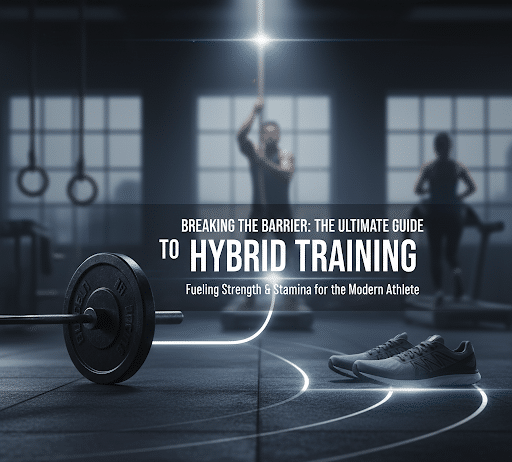
The trend in the ancient fitness era was to choose between heavy power and endurance speed running. The majority thought that you could not do both. Hybrid training demonstrates that it is possible to be strong and full of stamina. MusclePact supports the heavy-lifting and long-running athletes. This guide is a description of the science and provides you with a timetable and the most effective activities to form a robust and competent frame.
What are Hybrid Training Exercises?
In hybrid training, two or more types of fitness are combined in one training, typically heavy weight lifting and cardio. Some of the hybrid training exercises are
| Exercise Category | Examples | Why it’s Hybrid |
| Compound Lifts | Squats, Deadlifts, Bench Press | Builds the absolute strength foundation. |
| Ergometer Work | Rowing, SkiErg, Echo Bike | High-intensity cardio that requires muscular power. |
| Weighted Carries | Farmer’s Walk, Sandbag Carries | Builds “functional” stamina and core stability. |
| High-Impact Cardio | Trail Running, Sprints | Improves bone density and cardiovascular peak. |
| Low-Impact Cardio | Zone 2 Cycling, Swimming | Builds the “aerobic base” without excessive joint stress. |
Combining these exercises makes your heart and your muscles strengthen each other.
Organizing a Hybrid Training Division
The greatest challenge is the recovery. To include a marathon program in a bodybuilding routine without strategizing will adversely affect the outcomes. An efficient split deals with fatigue of the nervous system and provides a balance between work and rest.
Hybrid Training vs CrossFit: What is the Difference?
People often mix Hybrid Training vs CrossFit. Although these two are designed to make you a well-rounded person, they are different in their running.
CrossFit is a registered sport, which emphasizes high-intensity movements of functional nature, which are different in nature. The exercises may vary every day, and most of them are of higher expertise when the person is tired.
A more comprehensive approach is hybrid training. It is structured, objective-oriented, and has a personalized nature. A hybrid athlete adheres to a specific powerlifting regimen and to another running regimen.
Frequently Asked Questions (FAQs) for Hybrid Training
What is hybrid training?
It is a program that is a composite of two or more training styles, generally weight lifting and cardio, which produces a well-rounded athlete ready to perform well in most areas.
What is an example of a workout hybrid?
An example of a workout session would be heavy back squats, followed by a 500-meter rowing sprint, followed by weighted farmer carries. This makes the body labor when it is fatigued.
What is functional training and a hybrid training?
Functional training is concerned with movement that resembles daily life in the effort of enhancing general health. The objective of hybrid training seeks to shine in some conflicting objectives, e.g., reduce weight lifting and the enjoyment of a half-marathon race.
What does it mean by hybrid training?
Any training that aims at more than 2 different adaptations simultaneously, such as strength and aerobic endurance, and which balances the recovery such that one does not cripple the other.
General strength and conditioning standards are also outlined by the American Council on Exercise.
Overall, consistency remains the deciding factor in hybrid training. Furthermore, small weekly improvements compound into meaningful strength and physique gains. Consequently, staying patient and tracking each session keeps your momentum moving forward.
Practical Takeaways for {}
First, keep your movements controlled throughout every repetition. Next, focus on steady breathing between sets. Moreover, short rest periods help maintain focus during hybrid training workouts.
In addition, proper hydration supports muscle contraction and endurance. Meanwhile, balanced meals provide fuel for demanding training sessions. Therefore, daily nutrition directly shapes your hybrid training results.
Specifically, small weekly adjustments prevent plateaus over time. Furthermore, tracking your workouts highlights clear strength gains. Consequently, staying consistent with hybrid training builds lasting momentum.
However, listening to your body remains essential during hard training blocks. Instead, schedule lighter recovery days when fatigue accumulates. Overall, smart pacing protects both performance and joint health.