

Deadlift or powerlifting is an advance technique of strength exercise or weight training exercise that targets multiple muscles such as quads, forearms. Gluteal muscles, hamstrings, traps and lower back muscles. As deadlift targets a variety of muscles that’s why deadlift or powerlifting is known as compound exercise.
Great strength, stamina, and toned body is the be-all and end-all of deadlift or power lifting. Like other heavy and extreme intense exercises, deadlift also needs technique and great strength and there are more chances of being injured if not done with proper technique and skill.
Preparing for Deadlift
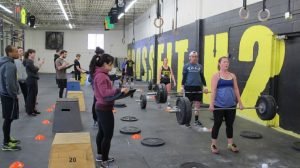
In addition, preparation for intense exercises is what prevents sports injuries and also makes you a pro athlete.
Here are some important things to remember when lifting;
• Warmup properly to activate and prepare your muscles for this exercise
• Prepare your equipment carefully by selecting plates you can easily lift
• Check if the plates are secured tightly onto the bar or not. Plates should be secured onto the bar tightly to prevent any imbalance while lifting. As imbalance can cause mild to severe injury
• Lift just the barbell (5 to 6 reps) to warmup or activate your muscles. To see if you are standing in a right lifting position or not
• Place the bar in front of you with your legs shoulder width apart and with your middle foot under the bar
How to Do Deadlift
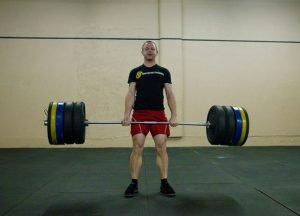
Furthermore, being a weight training, deadlift requires great strength and proper technique to correctly perform this exercise. A minor mistake can lead to mild or severe injury.
To prevent any injury or to correctly perform a deadlift, please follow these instructions:
• After preparing for deadlift as mentioned above (place the bar in front of you with your legs shoulder width apart and with your middle foot under the bar)
• Start from the weight on the floor by hinging at your knees and hips
• Maintain flat feet and set your weight primarily or preponderantly in the heels with your toes slightly outwards for better balance and stability
• Enjoy safe lifting
• Bend your knees until your shins touch the bar (or until you properly reach the barbell). Grab onto the barbell with your hands shoulder width apart (your palms should face your body and equally far from the ends of bar)
• Keep your spine long and straight (neutral) with your toes slightly outwards for proper balance and stability
• Keep in mind when deadlifting that the actual movement comes from your hips. In fact, deadlifting is just like sitting back, not sitting down
• Now, lift the barbell with a correct form by using hips, legs and back evenly and pull the bar from the floor to the lock up position (a standing position with upright body posture with your shoulders pulled back by keeping your chest up and out)
• keep the bar in contact with your legs while lifting the bar up and moving towards the starting position
• the right lift exerts even stress on all your tissues instead of placing a damaging load on a specific area
• Move the bar back to starting position, but still under control (in a position like you are sitting on a chair) by extending your hips backward and keeping your spine and back straight
Overall, consistency remains the deciding factor in Deadlift. Furthermore, small weekly improvements compound into meaningful strength and physique gains. Consequently, staying patient and tracking each session keeps your momentum moving forward.
First, keep your movements controlled throughout every repetition. Next, focus on steady breathing between sets. Moreover, short rest periods help maintain focus during Deadlift workouts.
In addition, proper hydration supports muscle contraction and endurance. Meanwhile, balanced meals provide fuel for demanding training sessions. Therefore, daily nutrition directly shapes your Deadlift results.
Specifically, small weekly adjustments prevent plateaus over time. Furthermore, tracking your workouts highlights clear strength gains. Consequently, staying consistent with Deadlift builds lasting momentum.
However, listening to your body remains essential during hard training blocks. Instead, schedule lighter recovery days when fatigue accumulates. Overall, smart pacing protects both performance and joint health.