

Understanding Carbs To Lose Weight helps you train with clearer structure and stronger consistency. Specifically, this guide breaks down the essential principles, practical steps, and key takeaways you can apply right away.
Carbs To Lose Weight
For anyone who’s trying to lose weight in today’s world, it may seem like there’s an abundance of information that you need to know. In addition to all this info, you’re also met with the opinions of experts which all differ. But should you avoid carbs to lose weight?
It can be confusing and adds an element of difficulty into getting started. A lot of people have the goal of losing weight, right? Well upon their research into how they can approach shedding off the unwanted pounds, carbs are a topic which perplexes many people.
Well don’t worry because we’re about to make things simple to ensure you’re well on your way to achieving your fitness goals andd tell you if yes or not you should avoid carbs to lose weight!
What Are Carbs?
 Carbs are one of the three macronutrients that we need to survive (the other two being protein and fat). They carry 4 calories per gram and they come in different forms.
- Sugar
- Starch
- Fibre
One of the reasons why we love carbs so much (aside from how great they taste) is how good they make us feel afterwards. They’re broken down into glucose before making their way into the bloodstream and become one of the body’s main sources of energy.
Are Carbs Bad?
 The Atkins diet is an example of an approach to weight loss where you’re encouraged to eat minimal carbs. These diets have been widely popularised. However, many people make a big mistake and jump right in at the deep end.
They go from eating their usual amount of food and carbs one day to pretty much nothing the next! In other words, they crash diet and cut out carbs since they’ve been told they’re bad. Crash diets can be unhealthy and ineffective. You may lose weight within the first week or two, but after that, it’s pretty unsustainable.
Instead, aim to gradually reduce your overall caloric intake (including carbs). The problem with carbs is that many of us overindulge in them – It’s easy to go overboard and as a result, they’ve gained a bad wrap.
Carbs aren’t necessarily bad and not everyone should be avoiding them, but…
Everyone Is Different
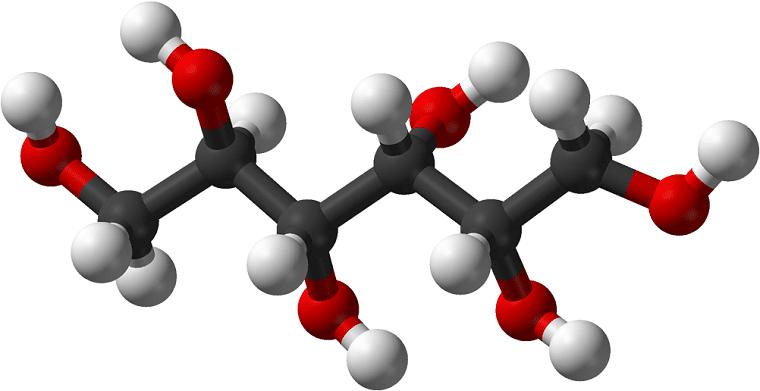 The body is a complicated machine and we all react differently to carbs. Some people naturally have faster metabolisms where they can eat 400+ carbs in a day and not gain weight. Whereas others may be eating half of that, yet still putting on the pounds.
Cutting out carbs may not be the best option for lots of you. Did you know they can boost your metabolism? Foods rich in resistant starch (E.g. potatoes and rice) disperse fatty acids whilst being digested and these acids promote fat burning!
In many instances, keeping the carbs moderate at around 200-250g or less per day could actually help you lose weight. But this only works if you can control your carb intake; plus, getting them from the right sources is vital.
Use complex carbs such as rice, wholemeal, oatmeal and potatoes. They’re healthier, fill you up more and dampen cravings.
Should you evade carbs?
 The short answer is no. Although, there’s no arguing that some people respond to low-carb diets better than others, avoiding them completely should never be your first step. If the weight loss comes to a halt, drop the carbs little by little by around 20-50g max each time. You may eventually be on your way to a low-carb intake but you’ve reached that point progressively and thus caused no damage to your metabolism.
Trial and error is also an important process. You never know how your body will react until you try it for yourself.
Hopefully you’ve found this article useful, but let us know what your experiences with carbs have been. Did you avoid carbs to lose weight. We’d love to hear your view on them!
About author: Post submitted by Shivam Bhardwaj
General strength and conditioning standards are also outlined by the American Council on Exercise.
Overall, consistency remains the deciding factor in Carbs To Lose Weight. Furthermore, small weekly improvements compound into meaningful strength and physique gains. Consequently, staying patient and tracking each session keeps your momentum moving forward.