

Bodybuilding and Salt
In addition, the US govt has been warning us about the expected dangers of salt for a long time now, such as a higher risk of cardiovascular disease and stroke.
Modern research portrays uncertainty on these presumptions, however, indicating that it may not be as dangerous as we once assumed. So what is the association between Bodybuilding and Salt?
What is Sodium?

Sodium is a form of mineral often known as an electrolyte, which is a substance that boosts the electrical conductivity of a liquid when dissolved in it.
Electrolytes are essential to human life since our bodies are made up of billions of cells that depend on electrical signals to work.
Furthermore, those signals need to pass through liquids to get to their destinations. Those liquids need electrolytes to transport the signals. Sodium is among the most significant electrolytes in our bodies.
Specifically, it works with potassium to manage a “pump” made into cells that is important for keeping their potential for action.
This cellular pump is constantly active, moving sodium ions out and potassium ions in. It’s designed to make sure cells have reasonably high levels of potassium ions and low levels of sodium ions.
Moreover, our cells use this pump to keep a balance of sodium, potassium, and fluid inside of their walls. Sodium can also help control blood volume and is associated with muscle and nerve function.
Is Salt or Sodium Bad?
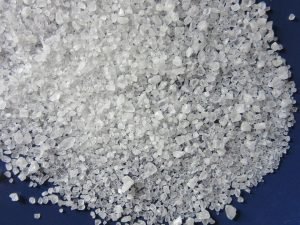
Consequently, salt nervousness started in the early 1900s, when French doctors described that six of their hypertension patients also used a high-salt diet.
Therefore, new research shows that this basic compound is probably not as unsafe as formerly considered.
Furthermore, research released in 2015 identified that a lower intake of sodium may basically be linked to a higher risk of death from cardiovascular disease.
We also understand that consuming not enough sodium can raise the risk of different types of condition and problems, such as…
Type II diabetes
Higher levels of LDL (“bad”) cholesterol and triglycerides
Increased levels of insulin resistance
And if we talk about sodium intake and health, we need to focus on potassium also because research reveals the ratio of sodium to potassium consumption is extremely important.
Obviously, the ideal sources of potassium are the kinds of foods lots of people stay away from, vegetables and fruit.
Recommended Salt/Sodium Intake

Meanwhile, the recommended daily salt/sodium intake for healthy Americans is 1,500 mg everyday, with a highest daily limit of 2,300 mg. This recommendation can be a little bit higher for bodybuilders and high-intensity sportsmen since it is crucial to replace the sodium lost in sweating. For the reason that every person sweats at different levels, there’s no clearly described level of sodium replacement for exercising.
The American Dietetic Association, the American College of Sports Medicine, and Dietitians of Canada highly recommend that athletes weigh in before and after work out to figure out sweat loss. Then take in 16- to 24-ounce carbohydrate-electrolyte liquid for every pound lost in sweating.
Final Notes

In terms of dieting, most individuals pay attention to “macros” but give very little thought to micronutrients like potassium, sodium. Much more the body demands to work properly.
What’s your take on how much sodium per day? Let us know in the comments below!
Overall, consistency remains the deciding factor in Bodybuilding and Salt. Furthermore, small weekly improvements compound into meaningful strength and physique gains. Consequently, staying patient and tracking each session keeps your momentum moving forward.