

Understanding muscle mass helps you train with clearer structure and stronger consistency. Specifically, this guide breaks down the essential principles, practical steps. Key takeaways you can apply right away.
Muscle Mass
If you’ve been trying to bulk up but have not yet found success, here’s something that you need to know: building muscles doesn’t only require physical training, eating the right type of food is also essential. As always, nutrition and exercise goes hand in hand. One can’t exist without the other if you’re looking to increase muscle mass!
Here are some examples of what you should add to your diet to increase muscle mass the right way.
Oats and Nuts
 Increased satiety, fat loss, decreased hunger, and more fiber are just some of the benefits of food items with low glycemic index or GI and oatmeal is one of them. In other words, oatmeal is a great source of carbohydrates for muscle preservation while enhancing fat loss in individuals who want to lose weight.
The perfect blend of protein, fiber, and fats, nuts are ideal for individuals who have trouble gaining muscles. They are also a good source if high quality calories that you can eat on the go whenever you need to add more calories to your diet.
Dairy Products
 The protein casein is the major component of cottage cheese, which is ideal for those who go on long periods without eating because casein is slow digesting. It makes the blood amino acid levels rise gradually and stay elevated. Cottage cheese also provides other excellent benefits, such as calcium, B12, and good bacteria for better gut health and absorption of nutrients.
Fermented dairy products like plain yogurt and kefir contain probiotics or good bacteria that keep the digestive tract in good working condition to take in the maximum amount of nutrients and calories from the meals you eat.
Whey protein is a convenient and quick source of inexpensive protein that is used extensively by bodybuilders. If you’re not looking to gain that much muscle mass, adding whey protein to your smoothie or shake for a post-workout drink is adequate.
Meats and Substitutes
 Lean beef is full of B-vitamins, zinc, iron, creatine, high quality protein, and elevated levels of amino acid – elements that promote muscle growth. These components make lean beef a fundamental part of your diet if you want to gain muscle mass.
A great source of high quality protein, good fats, choline, vitamin D, and all the nine essential amino acids, eggs are an easy to prepare health food that is useful in building muscle. What’s even better is that eggs are one of the cheapest and most convenient sources of protein there is.
Fish and other seafood like scallops and shrimp are not only excellent sources of protein they are also low in fat. Additionally, fish, such as tuna and salmon are rich in omega-3 fatty acids that are necessary in the proper functioning of the body’s metabolic processes.
Grains and seeds
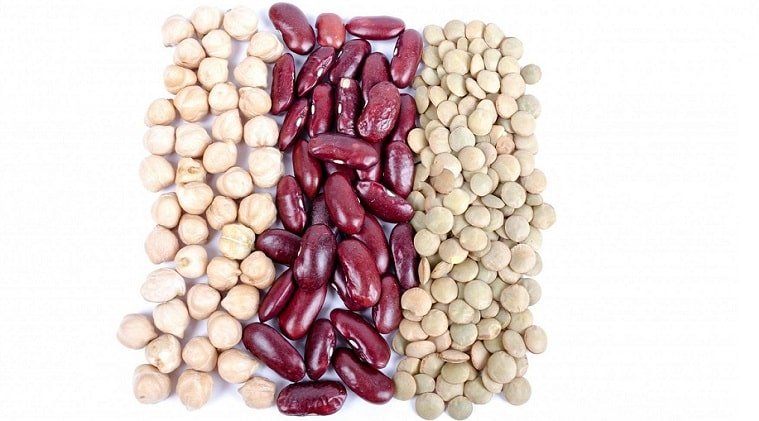 Grains and seeds like lentils and chia seeds are excellent sources of carbohydrates and nutrients. Lentils have a long shelf life and are inexpensive so you can stock up on it to pour over salads, mix with brown rice or seeds, or to be eaten as a side dish of its own. Chia seeds, which are rich in omega-3 and omega-6 fatty acids, are a great source of energy and strength. They are also full of potassium, antioxidants, and soluble fiber. Chia seeds can be added to smoothies, salads, or a bowl of oatmeal.
For vegetarians, vegans, and individuals who can’t tolerate dairy proteins, pea protein is a good alternative. In fact, it may even be better because pea protein is easier to digest and contains glutamine and branched-chain amino acids, which are important muscle-building nutrients.
The great thing about food you can eat when you want to gain muscle weight is the wide variety of choices. What’s more, they’re tasty and healthy as well.
For evidence-based nutrition and health guidance, consult Harvard Health Publishing.
Overall, consistency remains the deciding factor in muscle mass. Furthermore, small weekly improvements compound into meaningful strength and physique gains. Consequently, staying patient and tracking each session keeps your momentum moving forward.
First, keep your movements controlled throughout every repetition. Next, focus on steady breathing between sets. Moreover, short rest periods help maintain focus during muscle mass workouts.
In addition, proper hydration supports muscle contraction and endurance. Meanwhile, balanced meals provide fuel for demanding training sessions. Therefore, daily nutrition directly shapes your muscle mass results.
Specifically, small weekly adjustments prevent plateaus over time. Furthermore, tracking your workouts highlights clear strength gains. Consequently, staying consistent with muscle mass builds lasting momentum.
However, listening to your body remains essential during hard training blocks. Instead, schedule lighter recovery days when fatigue accumulates. Overall, smart pacing protects both performance and joint health.