
Weight Lifting Belt: When to Wear One and What It Does
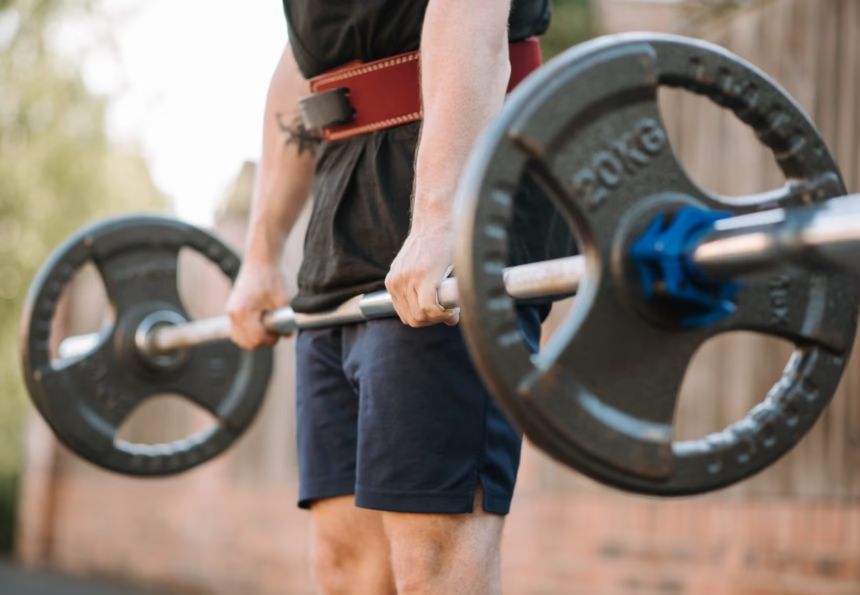
A weight lifting belt gives your muscles something firm to push against when you brace for a demanding lift. It can help you maintain a rigid torso during squats and deadlifts, but you still control the movement. Learning how to breathe, establish tension, and check the fit makes the equipment more useful than simply fastening it before a heavy set.
What does a weight lifting belt actually do?
A belt provides resistance around your torso as you expand and tighten your midsection. Combined with active bracing, that resistance can help you create pressure inside your abdomen and maintain trunk stiffness under load. The belt assists this process; simply fastening it does not automatically stabilize your position.
Your back muscles still work, and your legs or hips still produce the movement. Think of the belt as feedback for your brace: you should feel contact as your torso expands, then maintain deliberate tension as you lift. Avoid treating that contact as permission to rush your setup or overlook a poorly controlled repetition.
When to wear a lifting belt during training?
Wear a belt for demanding squat, deadlift, or similar standing compound sets when you already understand how to brace. It is usually unnecessary for easy warm-ups, curls, or supported machine exercises. Base the choice on the demands of the movement and set, rather than a universal weight threshold.
Deciding when to wear a lifting belt also means planning the transition into your working sets. Introduce it during a manageable preparation set so its pressure feels familiar before the load becomes challenging. Keep your usual warm-up sequence, and give yourself time to check the fastening and position before approaching the bar.
How do you use a lifting belt for squats?
Position the belt around your midsection, take a breath that expands your torso, and brace before descending into the squat. Maintain that tension through the repetition, then reset your breath and position as needed between repetitions. The belt should allow your usual squat depth without pinching your ribs or hips.
When trying a lifting belt for squats, rehearse the whole movement with a manageable load. Notice whether the belt shifts as you descend or interferes with your balance. Adjust one aspect of its position at a time, then repeat the movement before adding weight. This makes each adjustment easier to assess.
Does a lifting belt prevent injury?
A lifting belt cannot guarantee injury prevention, and wearing one does not make an unsuitable load safe. It can assist bracing, but injury risk involves more than trunk stiffness. Load selection, fatigue, technique, training history, and individual circumstances all matter. Do not use the belt to justify lifting through pain.
For training decisions, the question “does a lifting belt prevent injury” needs that broader context. Keep practical precautions in place: select weights you can control, use rack safeties where available, and reassess a set when fatigue changes your movement. A more supported feeling alone does not tell you whether the next weight increase is appropriate.
How tight should the belt feel?
The belt should feel snug enough to meet your expanding torso when you brace, while still allowing a deliberate breath into your midsection. If you cannot establish that breath, it is too tight for effective use. If it shifts freely or provides little contact, it may need tightening or repositioning.
Check the fit in the lifting position as well as while standing. Your ribs and hips may contact the belt differently at the bottom of a squat or in a deadlift setup. Try the intended movement before the set begins, rather than discovering an uncomfortable edge once the bar is loaded.
Learning to brace before adding weight
Start by standing with your hands against your waist. Breathe so you feel your abdomen and sides expand, then tighten your midsection as though preparing to resist a push. Practice without shrugging your shoulders or excessively arching your lower back. Next, rehearse the sequence during an unloaded squat or hip hinge.
Once the sequence feels consistent, repeat it with a manageable load. Add the weight lifting belt and compare the sensation. Notice whether reaching for the bar or changing position causes you to lose tension; if it does, reset and rehearse that transition. Keep some belt-free practice so creating tension remains a familiar skill.
Frequently Asked Questions
Can beginners start learning belt use?
Beginners can learn belt use without reaching a particular strength level first. Start with manageable weights and treat the belt as another setup skill to learn. Allow time to become familiar with the equipment, and avoid increasing the load simply because wearing it makes a repetition feel more supported.
What should you record after trying a belt?
Record whether the belt improves your setup, stays comfortable, and lets you repeat the movement consistently. Note the exercise, load, belt position, and any adjustment you made. These observations give you something concrete to compare next session instead of judging the belt only by how much weight you lifted.
Should you loosen your weight lifting belt between sets?
You can loosen or remove the belt between sets to breathe and move comfortably. Refasten it before the next set, then check its position and tension rather than assuming the previous fit is unchanged. Use the break to recover and prepare for another deliberate setup when you return to the bar.