
Kettlebell Workout: Common Beginner Questions Answered
A kettlebell workout can start with a controlled movements: a deadlift, a goblet squat, a supported row and a carry. Beginners do not need combinations or overhead tricks. Learn how to lift and lower the bell choose a weight and repeat good technique before adding speed.The bells handle makes it useful for both strength exercises and dynamic movements.
Those movements require different skills. A controlled deadlift is a starting point than trying to copy a fast swing circuit.
What should a kettlebell workout for beginners include?
A kettlebell workout for beginners should include a hip hinge, a squat, a pulling exercise, and a carry. These movements introduce different ways to control the bell without requiring ballistic technique. Start with a small number of exercises, practice each separately, and rest enough to maintain consistent repetitions.
Start with a number of exercises practice each separately and rest enough to maintain consistent repetitions.For your sessions try the following practice plan. The repetitions are starting suggestions so reduce them when control becomes difficult.Complete one exercise before moving to the next. This makes it easier to notice technique changes and adjust the load.Choose a kettlebell you can lift, hold and lower with control throughout the exercise.
- Elevated kettlebell deadlift: Two sets of six repetitions, using a stable raised surface if needed.
- Goblet squat: Two sets of six repetitions, holding the bell close to your chest.
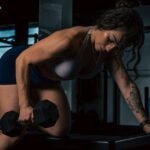
- Supported one-arm row: Two sets of six repetitions per side, with your free hand supported.
- Suitcase carry: Two short walks per side, keeping your torso upright.
The appropriate weight depends on the movement and your current strength so one bell may not suit everything. Test deliberate repetitions before committing to a weight and avoid loads that force awkward compensations.A bell that feels comfortable for deadlifts may be too heavy for rows.
What kettlebell weight should a beginner choose?
Choose a kettlebell you can lift, hold, and lower with control throughout the exercise. The appropriate weight depends on the movement and your current strength, so one bell may not suit everything. Test several deliberate repetitions before committing to a weight, and avoid loads that force awkward compensations.
Push your hips backward with bent knees then stand tall by extending your hips. During a two- swing the hips generate the movement while the arms guide the bell rather than lifting it upward.Begin with controlled deadlifts to rehearse the hinge. When learning swings keep the bell close as it passes between your thighs and avoid leaning at the top.
How do you learn kettlebell swing form?
Learn kettlebell swing form by practicing the hip hinge before adding a swinging bell. Push your hips backward with softly bent knees, then stand tall by extending your hips. During a two-handed swing, the hips generate the movement while the arms guide the bell rather than lifting it upward.
This provides practice while leaving time between sessions to assess fatigue and recover. Keep the sessions manageable and adjust frequency around your other training rather than adding kettlebell sessions on top of an already demanding routine.For example practice on Monday and Thursday keeping the basic exercises for several sessions.
How often should beginners train with kettlebells?
Two sessions on nonconsecutive days are a practical starting schedule for beginners. This provides regular practice while leaving time between sessions to assess fatigue and recover. Keep the first sessions manageable, and adjust frequency around your other training rather than adding kettlebell sessions on top of an already demanding routine.
Body fat changes depend on energy balance, not a particular piece of equipment. Strength training, movement and eating habits all matter; no kettlebell exercise selectively removes belly fat.Choose a pace that lets you finish each repetition properly.
Can a kettlebell workout for fat loss help?
A kettlebell workout for fat loss can contribute to overall physical activity and help you maintain a consistent exercise routine. Body fat changes depend on sustained energy balance, not a particular piece of equipment. Strength training, everyday movement, and eating habits all matter; no kettlebell exercise selectively removes belly fat.
Weight when you can complete your planned sets with steady technique and still feel capable of a few more controlled repetitions. Change one variable at a time. Adding a repetition to each set is often a manageable next step than immediately choosing a substantially heavier bell.If the next available bell feels too heavy continue practicing with your load.
When should you increase repetitions or weight?
Increase repetitions or weight when you can complete your planned sets with steady technique and still feel capable of a few more controlled repetitions. Change one variable at a time. Adding a repetition to each set is often a more manageable next step than immediately choosing a substantially heavier bell.
You can train each side separately where appropriate. Two bells introduce loading options but they are unnecessary for learning the basic movements.
Frequently Asked Questions
Do you need two kettlebells to get started?
One kettlebell is enough to practice deadlifts, goblet squats, supported rows, and suitcase carries. You can train each side separately where appropriate. Two bells introduce additional loading options, but they are unnecessary for learning the basic movements. Choose your first bell around the exercises you can perform comfortably.
Should beginners wear gloves when using kettlebells?
Gloves are optional for basic kettlebell exercises, provided they allow a secure grip and do not bunch around the handle. Keep your hands and the handle dry, and inspect the grip before lifting. If your hands become sore or your grip slips, stop the set and reassess your setup.
How much space do you need to train?
You need enough clear space to perform each movement without the bell approaching furniture, people, or pets. Check overhead clearance before any overhead exercise, and use a stable, uncluttered floor. For carries, clear the entire walking route first. Practice setting the bell down within your training area before starting.