
Face Pulls Muscles Worked, Form, and Shoulder Benefits
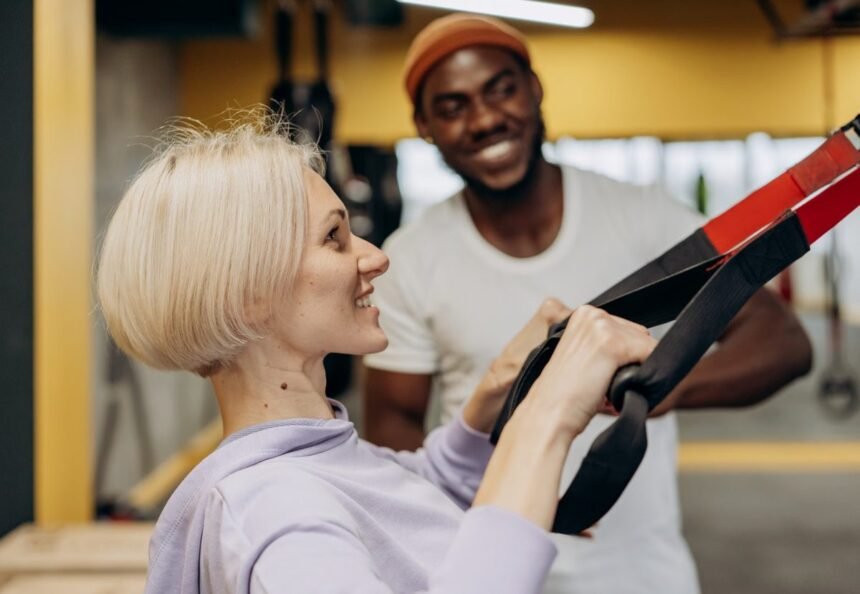
Good face pulls form starts with a load you can control from the first repetition to the last. A cable machine with a rope attachment makes it easy to adjust the height and load, and a resistance band works if you train without a cable. Before adding either version to your routine, get comfortable with the movement and decide where it fits alongside your presses and rows.
How can you check your face pulls form?
Check that you can pull the rope toward your face, separate its ends, and return to the start without rocking your torso. Begin with your arms extended and the cable taut. Let your elbows move outward as you pull, pause with your hands beside your face, then straighten your arms slowly.
Hold one rope end in each hand and plant your feet before you start. A staggered stance can make it easier to stay steady if the cable pulls you forward. Let your shoulder blades move as you draw the rope in and reach forward on the return. Keep your head steady so your hands travel toward your face while your neck stays relaxed.
Watch whether both hands finish at about the same height. If one hand consistently finishes ahead of the other, check that you are standing square to the pulley and holding both ends of the rope at the same point.
Face pulls muscles worked
The rear deltoids, middle trapezius, and rhomboids do most of the work. Your rear deltoids move your upper arms outward and back, while your middle trapezius and rhomboids draw your shoulder blades together. The infraspinatus and teres minor assist when you rotate your upper arms outward during the pull.
You can see the difference between those actions near the end of a repetition. Your elbows travel outward as your upper arms move back. As your hands rise beside your head, your upper arms turn outward. These actions blend into one motion, and the shoulder blades move as the rope comes in. That gives you several ways to check a repetition beyond seeing whether the rope reaches your face.
Face pulls benefits for shoulders
The exercise lets you train your rear shoulders and practice outward shoulder rotation in the same movement. If your routine already includes presses, it gives you a separate exercise for that combination. You can use the end position to assess whether you can control the rotation with the load you chose.
To make the face pulls benefits for shoulders relevant to your program, look at the exercises you already do. For instance, if rows already give you plenty of pulling work and you want to practice outward rotation, judge these sets by how well you control that part of the movement. Use a consistent range so the last repetition gives you the same practice as the first.
How high should you set the pulley?
Start with the pulley around eye level so the cable has a fairly straight path toward your face while you stand upright. Adjust the pulley one notch at a time until your hands can finish beside your face with your neck relaxed and your elbows around shoulder height or slightly below.
Keep your stance, distance from the machine, and load consistent while you test nearby settings. From a higher setting, notice whether the cable draws your hands upward and makes you shrug. From a lower setting, see whether you have to lift your hands sharply to finish. Use the height that lets you finish smoothly with a relaxed neck.
How much weight should you use?
Choose a weight you can pull smoothly for 12 to 15 repetitions while still pausing at the end of each pull. Use that range as a starting point. Reduce the weight if your shoulders start to shrug, your torso rocks, or the cable jerks your hands forward late in the set.
Try two sets after your main lifts and record the weight and repetitions. If you use different cable stations, note which one you used so you can compare sessions on the same machine. Once you reach the upper end of the range on both sets with steady repetitions, you can test the next weight increment. Use the same range of motion and pause to judge whether the increase is manageable.
Frequently Asked Questions
Can you use a resistance band instead of a cable?
Yes, secure a resistance band to a stable anchor around eye level. Step back until the band has light tension with your arms extended. Resistance increases as the band stretches, so choose one light enough to let you bring your hands beside your face and briefly hold that position.
Can you use this exercise in place of reverse flyes?
Yes, you can replace reverse flyes when you want to work your rear deltoids and include outward shoulder rotation. If you keep both exercises in your routine, log their sets separately so you can see how much rear shoulder work you are adding alongside rows and other pulling exercises.
Can you do this exercise before bench pressing?
Yes, you can do a light set before bench pressing to warm up your shoulders and upper back. Keep the set easy enough that your upper back still feels fresh when you set up on the bench. If bench pressing is your priority, save more demanding sets for afterward.