By using this site, you agree to the Privacy Policy and Terms of Use.
Accept
Muscle Pact
Muscle PactMuscle Pact
Font ResizerAa
Search
  • ABS WORKOUT
  • AMINOS
  • ARM WORKOUTS
  • BACK WORKOUTS
  • COMPETITIONS AND EVENTS
  • VITAMINS AND SUPPLEMENTS FOR MUSCLES
  • CARDIO WORKOUTS
  • CHEST WORKOUTS
  • CREATINE
  • ENERGY DRINKS
  • FAT BURNERS
  • FULL BODY WORKOUT
  • INSPIRATIONAL STORIES
  • LEG WORKOUTS
  • NUTRITION + RECIPES
  • PROTEIN SUPPLEMENTS
  • SHOULDER WORKOUTS
  • VIDEOS
Have an existing account? Sign In
Follow US
© 2024 Muscle Pact. All Rights Reserved.
Muscle Pact > Blog > Fitness > Understanding Bulgarian Split Squat Form and Muscle Focus
Fitness

Understanding Bulgarian Split Squat Form and Muscle Focus

MP Staff
MP Staff
Published November 18, 2026
Share
8 Min Read
Understanding bulgarian split squat form and muscle focus - Fitness - fitness and muscle building
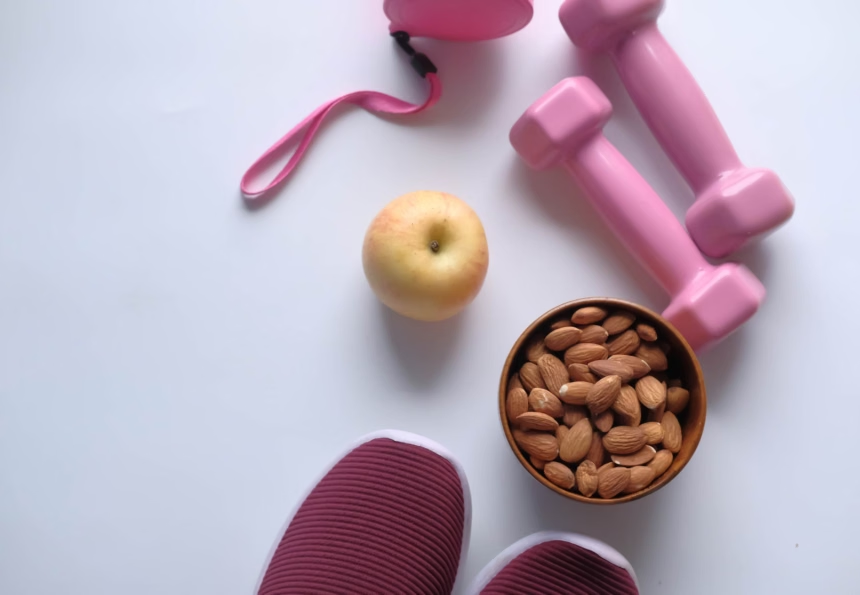
Image credit: Towfiqu barbhuiya / Pexels

Understanding Bulgarian Split Squat Form and Muscle Focus

The main Bulgarian split squat muscles worked are the quadriceps and glutes, with other muscles helping maintain position and balance. The front leg performs most of the lifting while the rear foot rests on a raised support. Start by finding a comfortable stance and practicing controlled repetitions before adding weight. A repeatable setup makes changes in technique easier to assess.

Contents
Understanding Bulgarian Split Squat Form and Muscle FocusWhat does good Bulgarian split squat form look like?Which are the main Bulgarian split squat muscles worked?How should you adjust the Bulgarian split squat for glutes vs quads?How far should your front foot be from the bench?How deep should you lower each repetition?How do you add weight without losing control?Frequently Asked QuestionsCan you hold a rack for balance?Does your front knee need to stay behind your toes?What can you do if the bench feels too high?

What does good Bulgarian split squat form look like?

Good form combines a stable front foot, a supported rear foot, and a controlled descent through your available range. Keep your front knee moving in the same general direction as your toes. Lower your hips by bending the front hip and knee, then push through the front foot to stand.

Set your feet about hip width apart rather than placing them on one narrow line. Choose a secure rear support and clear enough floor space to step into position without rushing. Before beginning, settle the rear foot comfortably and check that the front foot stays planted. Keep your gaze steady instead of looking around during the repetition.

Which are the main Bulgarian split squat muscles worked?

The main muscles trained are the quadriceps at the front of the thigh and the gluteus maximus at the hip. The quadriceps straighten the front knee, while the glutes help extend the hip. Muscles around the hip and trunk also contribute to controlling your pelvis and maintaining balance.

Use movement quality to assess a repetition instead of chasing a particular burning sensation. Notice whether your hips twist, your front heel lifts, or your rear leg starts pushing strongly to finish the lift. These changes are reasons to review the difficulty. A brief side view can help you compare early and late repetitions without guessing from effort alone.

How should you adjust the Bulgarian split squat for glutes vs quads?

A modest forward torso lean can increase demand on the front hip, while a more upright torso and greater forward knee travel can increase demand on the knee extensors. These adjustments change emphasis rather than isolate one muscle. Both the glutes and quadriceps still contribute throughout the movement.

When adjusting the Bulgarian split squat for glutes vs quads, change one detail at a time. For a hip emphasis, lean from the hip while keeping your trunk steady. For a knee emphasis, allow forward knee travel with the heel grounded. Compare these positions using light resistance first; an exaggerated lean or forced posture makes the comparison less useful.

How far should your front foot be from the bench?

Place your front foot far enough forward that you can lower your hips with your entire front foot grounded and your rear leg comfortably supported. There is no universal distance. Test a shallow repetition, then adjust until you can bend both legs without hopping, twisting, or losing your balance.

A stance that is too long may pull at the rear hip or make standing difficult. A cramped stance may restrict your descent. Step out of the position before moving your foot substantially, then reset and try again. Once you find a workable position, note where your front foot sits relative to the support so you can reproduce it.

How deep should you lower each repetition?

Lower as far as you can while maintaining a stable front foot, controlled pelvis, and comfortable movement. Your rear knee does not need to touch the floor. End the descent before you lose position, bounce, or feel pain, then return to standing with the same controlled path.

Establish your working depth during unloaded practice. Aim for a similar bottom position across repetitions instead of reaching lower only on the first attempt. If the movement becomes noticeably shallower as the set continues, pause and reassess the load or number of repetitions. Do not use contact with the floor as a target that overrides your control.

How do you add weight without losing control?

Add resistance after you can repeat the movement with consistent balance, depth, and front-foot contact. Begin with light dumbbells held at your sides, or use one hand for support while holding a weight in the other. Increase the load gradually while preserving the movement you practiced without weights.

For an initial practice session, try two sets of six controlled repetitions per side with body weight. Treat this as a starting example, not a prescription. Rest until you feel ready to move steadily again. Record the resistance and repetitions alongside any setup changes, so progress reflects comparable movement. Finish the set when you can no longer repeat your chosen technique.

Frequently Asked Questions

Can you hold a rack for balance?

Yes, holding a stable rack or rail can help you control balance while your front leg performs the exercise. Use enough hand support to stay steady without pulling yourself upward. Keep the amount of assistance consistent between repetitions so changes in performance reflect your leg effort more clearly.

Does your front knee need to stay behind your toes?

No, your front knee does not have to remain behind your toes. Forward knee travel is part of many comfortable squat patterns. Avoid treating the toe line as a mandatory stopping point; assess the whole repetition instead, using a range that remains controlled and comfortable for you.

What can you do if the bench feels too high?

Use a lower, secure support if the bench forces an uncomfortable rear-leg position or disrupts your balance. You can also practice a split squat with both feet on the floor. Build a controlled movement there before returning to rear-foot elevation, and avoid using unstable stacked objects as a substitute.
Related training guides

  • Incline Bench Press: Common Questions Answered
  • Front Squat Form: What to Know About Technique and Grip
  • Dumbbell Bench Press Form: Your Training Questions
  • Understanding leg press form: A Guide to Proper Technique

You Might Also Like

Understanding glutamine supplement use for muscle recovery

Understanding hip thrust form: How to Do It Correctly

Romanian Deadlift Muscles Worked: A Guide to Form

Training Volume per Week: Common Questions Answered

Understanding how to track workout progress over time

TAGGED:Bulgarian Split SquatBulgarian Split Squat GuideMuscle FocusUnderstanding Bulgarian Split
Share This Article
Facebook Email Print
Previous Article Incline Bench Press: Common Questions Answered - Fitness - fitness and muscle building Incline Bench Press: Common Questions Answered
Next Article Dumbbell Bench Press: Your Form and Training Questions - Fitness - fitness and muscle building Dumbbell Bench Press Form: Your Training Questions

Search Posts

Explore Our Categories

  • ABS WORKOUT
  • AMINOS
  • ARM WORKOUTS
  • BACK WORKOUTS
  • COMPETITIONS AND EVENTS
  • VITAMINS AND SUPPLEMENTS FOR MUSCLES
  • CARDIO WORKOUTS
  • CHEST WORKOUTS
  • CREATINE
  • ENERGY DRINKS
  • FAT BURNERS
  • FULL BODY WORKOUT
  • INSPIRATIONAL STORIES
  • LEG WORKOUTS
  • NUTRITION + RECIPES
  • PROTEIN SUPPLEMENTS
  • SHOULDER WORKOUTS
  • VIDEOS
Self Weight Loss

Share Your Story 💪

Got valuable insights or personal breakthroughs to share? We’re always on the lookout for contributors who are passionate about muscle and fitness to share their knowledge and experiences. Join our community and help inspire others on their journey to peak physical condition.

Submit Your Post

You Might also Like

Dumbbell Bench Press: Your Form and Training Questions - Fitness - fitness and muscle building

Dumbbell Bench Press Form: Your Training Questions

November 18, 2026
Understanding Sumo Deadlift: Form and Muscles Worked - Fitness - fitness and muscle building

Understanding Sumo Deadlift: Form and Muscles Worked

November 17, 2026
glute workout: Common Questions About Training at Home - Fitness - fitness and muscle building

Glute Workout: Common Questions About Training at Home

October 25, 2026
Weight Lifting Belt: When to Wear One and What It Does - Fitness - fitness and muscle building

Weight Lifting Belt: When to Wear One and What It Does

November 4, 2026
Previous Next
Muscle Pact

Muscle building done right can turn you into a sculpted powerhouse from top to bottom; done wrong, it can cripple you for months or even years.

At MusclePact, we’ll teach you everything you need to know to create and maintain a body-building regimen that will enable you to meet or outright obliterate your strengthening goals. From determining the most effective ab workout to power-up your core, to figuring out which Creatine and hormone supplements, fat burners and liquid amino can do more harm than good, our elite trainers will give you the best tips and techniques you need to succeed.

If you want to build a body worthy of a magazine spread, but you don’t want to suffer the consequences of health problems that could plague you for years, MusclePact is the place for you. Dig into all we have to offer and let us show you how to bring your body to its maximum potential.

Company

  • About Us
  • Disclaimer
  • Privacy
  • Become a Contributor to MusclePact
  • Contact
  • Editorial Policy
  • Medical Disclaimer

Featured Pages

  • A Guide To Natural Bodybuilding
  • Alpha-GPC Supplementation
  • Digital Millennium Copyright Act
  • Effective Muscle Building Foods
  • How To Gain Muscle Fast
  • Muscle Building Tips for Triceps Growth
  • Top 10 Muscle Building Mistakes Made In The Gym
  • Why I Do Cardio With Weights

Categories

  • ABS WORKOUT
  • AMINOS
  • ARM WORKOUTS
  • BACK WORKOUTS
  • COMPETITIONS AND EVENTS
  • VITAMINS AND SUPPLEMENTS FOR MUSCLES
  • CARDIO WORKOUTS
  • CHEST WORKOUTS
  • CREATINE
  • ENERGY DRINKS
  • FAT BURNERS
  • FULL BODY WORKOUT
  • INSPIRATIONAL STORIES
  • LEG WORKOUTS
  • NUTRITION + RECIPES
  • PROTEIN SUPPLEMENTS
  • SHOULDER WORKOUTS
  • VIDEOS

Copyright © Muscle Pact. All Rights Reserved

Welcome Back!

Sign in to your account

Username or Email Address
Password

Lost your password?