
Understanding hip thrust form: How to Do It Correctly
Good hip thrust form combines a secure setup, controlled hip movement, and a steady torso. Learning how to do a hip thrust correctly starts with resistance you can manage while keeping your contact points consistent. Use the checks below to organize your setup, follow each repetition, and recognize when an adjustment would help. Begin with bodyweight so you can concentrate on the movement before adding weight.
How do you set up hip thrust form?
Place a stable bench behind you, sit on the floor, and rest your upper back against its edge, around the bottom of your shoulder blades. Bend your knees and plant both feet flat. At the top, aim for approximately vertical shins, then adjust your stance for comfort and control.
The bench should stay in place when you press against it. Avoid furniture that slides or tips, and choose a support height that lets your shoulders move comfortably. Clear enough space to place both feet securely. Treat shin position as a starting reference rather than a rigid measurement: your proportions and comfort matter. Make small stance changes with your hips lowered, then check the result on the next repetition.
How do you perform each repetition correctly?
Push through your planted feet and raise your hips while keeping your ribs controlled and your head aligned with your torso. Finish when your hips are extended and your shoulders, hips, and knees form roughly a straight line. Lower under control without bouncing, then repeat from a stable position.
Let your gaze follow your torso naturally; avoid looking behind you to gain extra height or forcing your chin toward your chest. The finish should come from extending your hips rather than arching your lower back. Keep your knees moving in the same direction as your toes without pushing them outward so far that your feet roll onto their edges. If your upper back shifts, pause and settle against the support before continuing.
Where should you feel the exercise?
You should generally feel your glutes working as you raise and hold your hips, although your thighs and hamstrings also contribute. Strong lower back discomfort is a reason to stop and reassess your position. Muscle sensation alone cannot confirm correct technique; also check your movement, balance, and control.
Use sensation as one piece of feedback alongside what you can observe. Chasing a stronger glute feeling by lifting higher can lead you to change your torso position. Keep the movement comfortable, and stop the exercise if it causes pain rather than trying to push through it.
Which mistakes should you correct first?
Correct an unstable bench, sliding feet, excessive back arching, and uncontrolled repetitions before increasing resistance. These problems make your setup harder to repeat and can shift movement away from your hips. Reduce the load or shorten the movement temporarily if you cannot maintain a steady torso and secure contact points.
A side view video at about hip height can help you review hip thrust form. Include both the lifting and lowering phases, keeping your shoulders, hips, knees, and feet visible. Watch for the point where control changes, such as your upper back slipping or your torso tipping as you descend. Adjust one feature at a time so you can tell whether the change makes the next repetition easier to repeat.
How can you do a hip thrust without a bench?
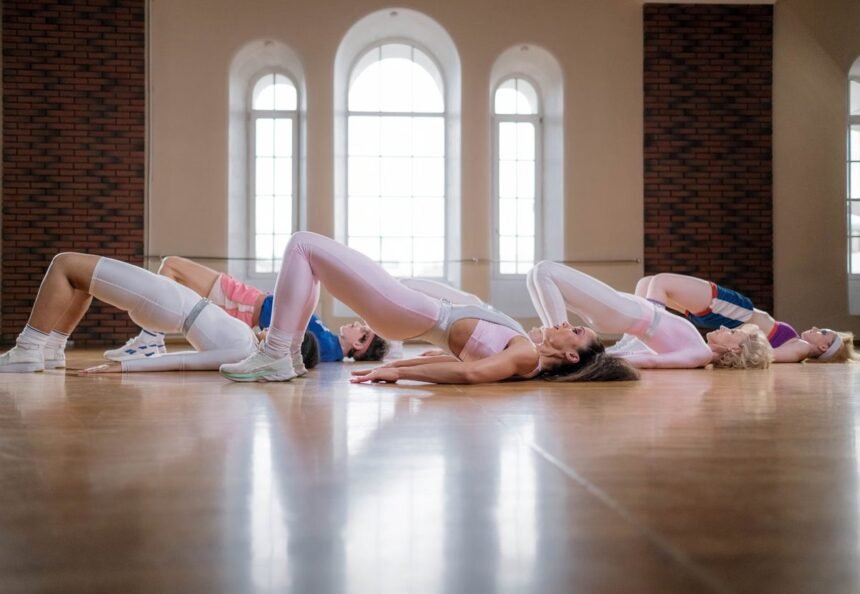
For a hip thrust without a bench, use a floor glute bridge: lie on your back, bend your knees, plant your feet, and lift your hips. Your shoulders stay on the floor throughout. This variation uses a shorter movement range and removes the need for an elevated upper back support.
Choose a clear patch of floor and use a mat if the surface feels hard. Avoid stacking cushions or loose objects to imitate a bench. The floor variation gives you a straightforward option when suitable support is unavailable or bench positioning feels awkward.
Hip thrust vs squat for glutes: what is the difference?
A hip thrust emphasizes hip extension with your upper back supported, while a squat combines substantial hip and knee movement from a standing position. Both can train the glutes. They differ in technique, loading, and muscle involvement, so neither exercise is automatically the best choice for every lifter.
When comparing hip thrust vs squat for glutes, consider your available equipment and which movements you can perform comfortably. You can include both exercises, but select resistance separately for each. A weight that suits one movement does not establish what you should lift in the other.
Frequently Asked Questions
Can beginners learn how to do a hip thrust correctly without weights?
Yes, beginners can practice the setup, lifting motion, and controlled finish using bodyweight alone. Start with a stable bench or a floor bridge if bench positioning feels difficult. Add resistance after you can keep your feet planted, control your torso, and repeat each repetition without changing your technique.
Where should a barbell sit during a hip thrust?
A barbell should rest across the front of your hips, near the hip crease, with suitable padding between the bar and your body. Hold it steady with your hands so it does not roll. Reposition or reduce the load if pressure prevents you from moving comfortably and maintaining control.
Should you hold your breath throughout the set?
You do not need to hold your breath throughout an entire set. With bodyweight or light resistance, breathe between repetitions and maintain abdominal tension as you lift. Avoid prolonged breath holding that makes you dizzy. If breathing disrupts your position, pause, reset, and reduce the resistance before continuing.